Practicing in your head isn't practicing.
Rehearse with a live-feeling audience and get a verdict on your delivery before anyone else gives you one.
- Room set: Panel, 5 listeners
- Ambience on: low murmur, a chair shifts
- Opening delivered: 1:12
- Follow-up from the panel: ‘What would change your conclusion?’
- Answer delivered: 0:48
- Debrief ready
You know this moment.
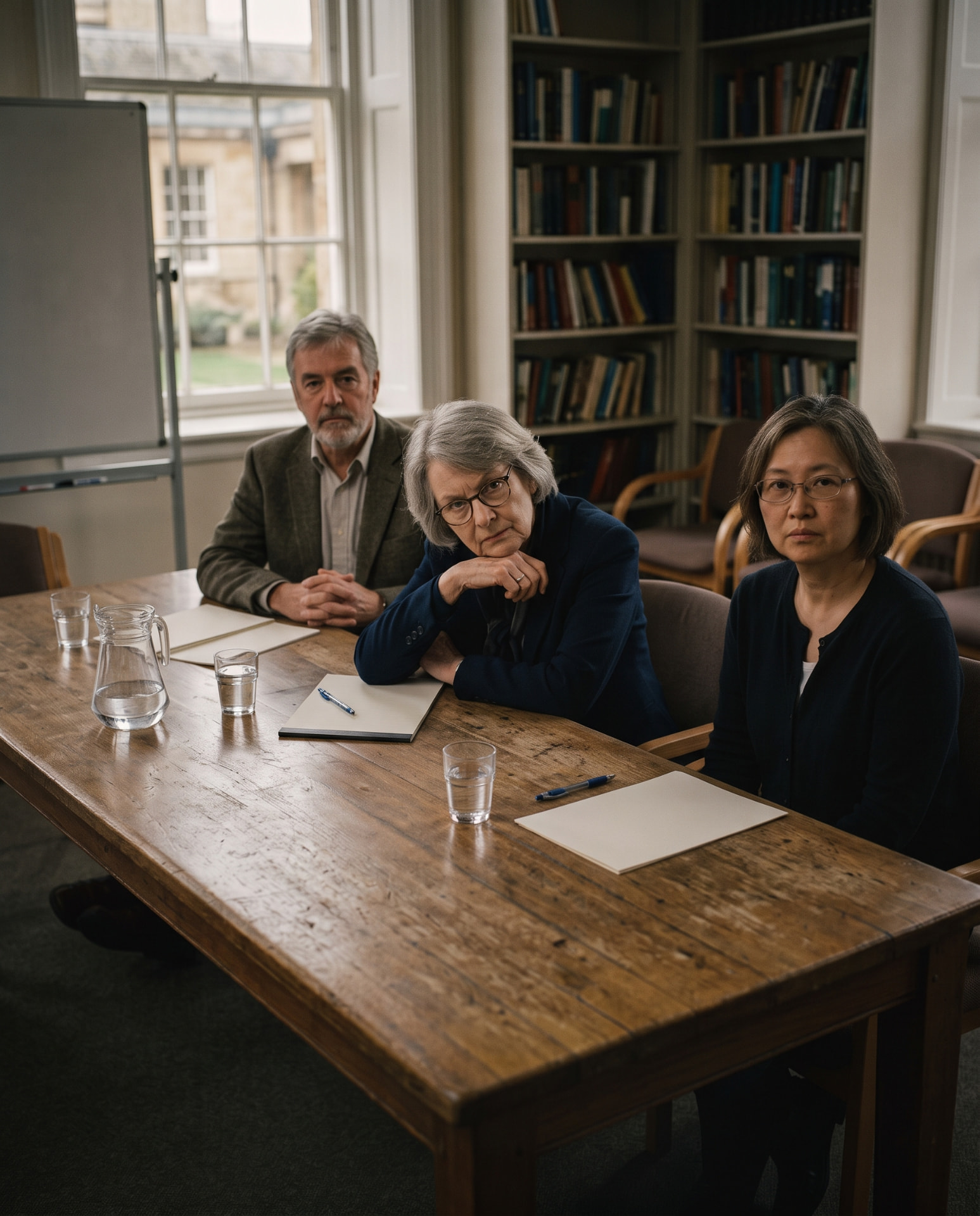
Thesis defense, 0:47 into Q&A
The question you didn't prepare for.

Quarterly review, slide 6 of 14
When they check the time mid-sentence.
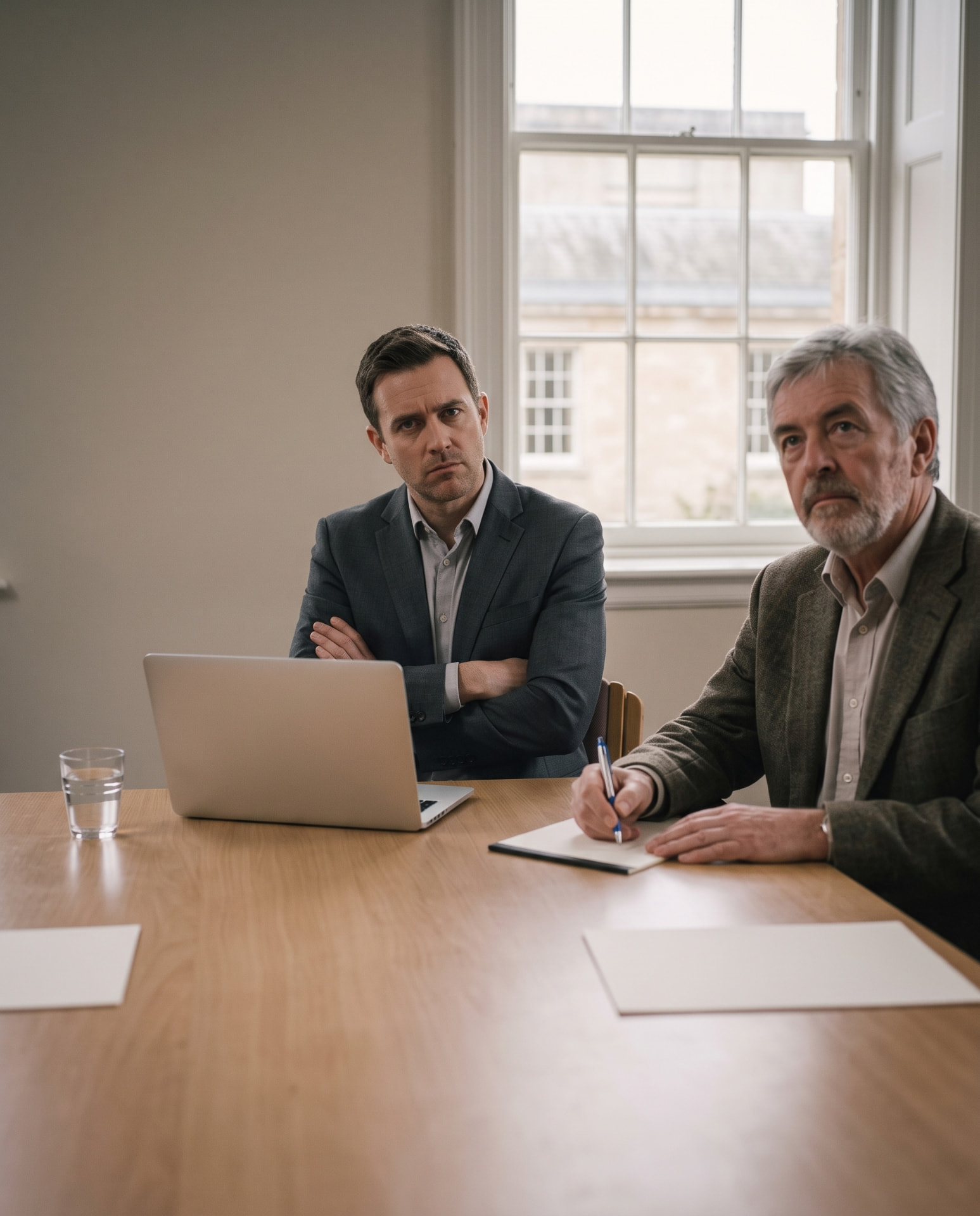
Seed pitch, minute 9
'Walk me through those numbers again.'

Main stage, 0:00
The first ten seconds.
Pick the room you will stand in.
Classroom
Rows of students, a few distracted. Built for lectures, seminars and observed lessons.
20 to 40 listeners
Pages turning, a cough, a phone buzz.
One date on the calendar, or a room you face every week.
For a date that matters
A defense, a pitch, a hearing. Kleig counts down with you and puts your weakest part in front of you first.
For the room you face often
Weekly meetings, regular hearings, recurring talks. Kleig tracks how your delivery changes over time.
How a session goes.
- 1
Set your room
Choose the venue, the audience and what's at stake.
- 2
Rehearse out loud
Speak as you will on the day. The room listens and asks follow-ups based on what you actually said.
- 3
Read the verdict
A structured debrief on your delivery, and the next drill to run.
A verdict, with a reason.
Pace, filler words and pauses are counted. Openings, structure and answers are judged against a fixed rubric.
Debrief
SampleYour answer to the second question was strong, but you took nine seconds to start it. Open with your conclusion.
Next drill: Opening hook
Built for people who get questioned.
The audience asks
“You said the sample was representative. Representative of what, exactly?”